Saturn’s Moons
There’s a moment I see happen over and over again.
A student lights up while talking about a future idea.
A professional gets animated describing what they wish they were doing.
Someone speaks with clarity, excitement, even certainty—until something shifts.
Then it happens.
They pause.
Their shoulders drop.
Their tone changes.
The light I saw behind their eyes dims.
They come back down to earth and say something like:
“But that’s not realistic.”
“I could never do that.”
“That doesn’t really fit my life right now.”
This moment has a name.
I call it Saturn’s Moons — The Re-Entry Effect™.
What Saturn’s Moons Represents
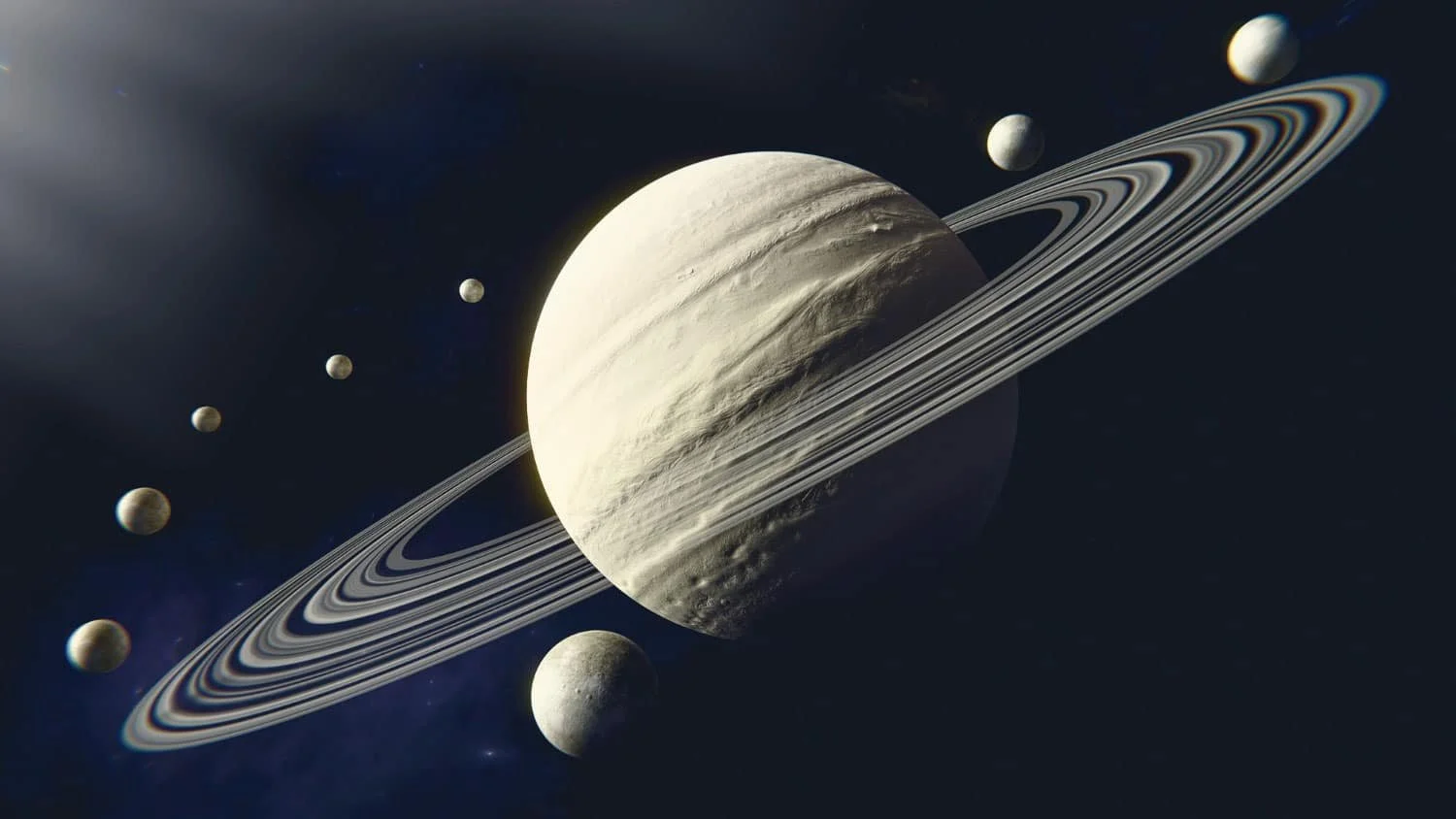
Saturn has dozens of moons, all moving in orbit—close enough to imagine possibility, far enough to feel separate from it.
In human terms, Saturn’s Moons represent ideas that live at a distance:
the career you’d choose if fear weren’t involved
the life you imagine but don’t yet know how to reach
the version of yourself that feels possible… someday
Orbiting ideas aren’t the problem.
The problem is re-entry.
The Re-Entry Effect
The Re-Entry Effect happens when someone:
experiences clarity or excitement about a future direction
immediately tries to connect it to their current circumstances
collapses the idea before it has time to be navigated
Instead of asking “How could I move toward this?” the mind jumps straight to “Why this won’t work.”
The dream doesn’t die—it gets grounded too early.
Most people don’t fail because they dream too big.
They fail because they come back down to Earth too fast.
Why This Happens
The Re-Entry Effect isn’t weakness. It’s a protective reflex.
Our minds are trained to:
prioritize immediacy
assess risk quickly
avoid discomfort
When a future idea doesn’t neatly match present reality, the brain treats it as a threat—something to dismiss before it creates instability.
But meaningful futures are never built from immediate alignment.
They’re built through navigation.
Where Major Z Comes In
This is exactly where the Major Z Method™ exists.
Major Z is not about fantasy.
It’s not about positive thinking.
And it’s not about instant transformation.
Major Z teaches you how to:
stay in orbit long enough to think clearly
separate destination from current constraints
build intentional paths between where you are and where you’re going
Major Z doesn’t ask, “Is this realistic right now?”
It asks, “Is this a direction worth navigating toward?”
There’s a difference.
A Critical Shift in Thinking
Instead of collapsing ideas during re-entry, Major Z teaches three moves:
Name the destination (without solving it yet)
Stabilize in orbit (give the idea space to exist)
Translate, not judge (What steps—not outcomes—could exist between now and then?)
This is leadership of the self.
Before you lead a team, a family, or an organization—you must be able to hold a future without immediately rejecting it.
If This Feels Familiar…
If you’ve ever:
dismissed your own ideas too quickly
talked yourself out of things you cared about
felt excited one moment and defeated the next
You’re not broken.
You’re experiencing Saturn’s Moons — The Re-Entry Effect.
And once something has language, it can be worked with.
Final Thought
Not every idea deserves execution.
Not every idea deserves navigation.
Only the ideas that persist—those that return, pull, and refuse to disappear—earn the energy of leadership.
Stay in orbit longer.
Let the path reveal itself.
That’s where intentional lives—and intentional careers—are built.
